Table of Content
The habit is annoying and dangerous to the horse, but it can be curbed using these handy tips. Mastellar added that researchers have conflicting opinions as to whether or not preventing a horse from cribbing is stressful for the horse. Genetics could also play a role, as Thoroughbreds and warmbloods are more likely to crib compared to other breeds. "A study of horses in Finland found the heritability of cribbing has been estimated at 0.68, which means that cribbing is likely to be passed onto offspring," she said.
Here is a list of possible causes for your horse’s cribbing habit, and what you can do to limit the behavior. Encourage foraging behavior by hiding hay around the horse's paddock. Instead of just putting all the hay in the feeder, spread it out in different areas. That way, the horse will need to sniff it out, which takes time, and encourages it to practice one of its instinctual behaviors, foraging. Begin mixing some of the new diet in with the old a little at a time, gradually adding more each day.
Managing a horse that cribs
It’s a nasty habit that can’t be cured, but it can be managed by taking appropriate action. Cribbing is nothing new, but that doesn’t mean it’s not still a big problem for both horse and rider. As a behavioral issue, cribbing often arises from boredom but can escalate into something more severe. The best method of curing cribbing is prevention, but there are some solutions available to horse owners who have to tackle this issue head-on.
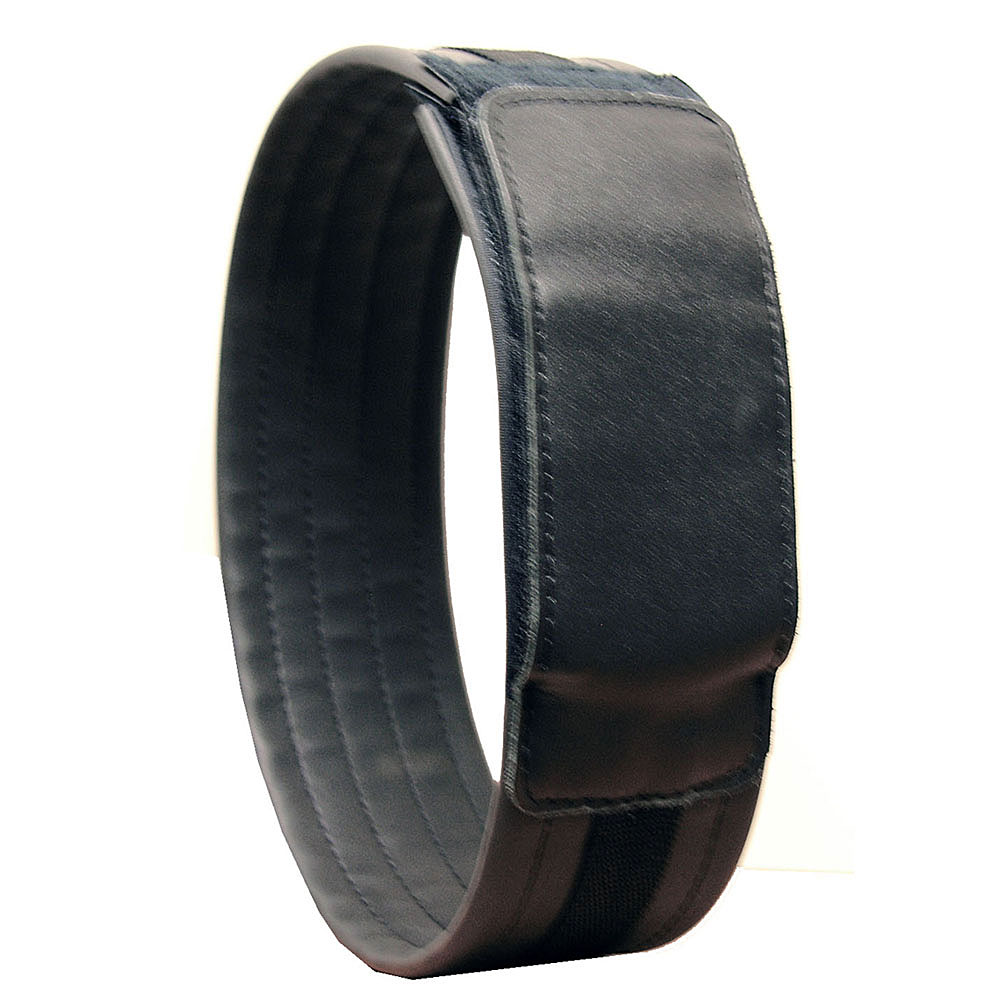
Be sure the horse gets plenty of exercise, with time out on pasture if possible. Also called “wind sucking” or “crib biting,” cribbing is a form of stereotypic behavior that horses sometimes engage in. On the surface, it looks like wood chewing as the horse bites down on stable doors, fence posts or other wooden objects. However, the behavior is a bit different from simply chewing.
Do muzzles help with cribbing?
Horse balm is commonly advertised as a horse cribbing treatment, but there are no studies supporting the claims. Some horse owners report using horse balm successfully, though. However, horsebalm can also be used to calm horses, so it may work to decrease cribbing if the horse is agitated or stressed. While cribbing collars are effective, they don’t stop a horse from having the desire to crib; they simply prevent him from doing it comfortably.

Researchers are also still working to understand how cribbing might affect a horse’s health. Horses who crib do seem to be more prone to certain types of colic, although the connection is unclear. A tendency to crib can be inherited, diet, boredom, lack of socialization or other factors may also make it more likely that a horse will develop the behavior. Several surveys have suggested that the tendency to crib may be inherited. In one Japanese survey, for example, the overall rate of cribbing was 1 percent among 1,500 Thoroughbreds but 7 or 8 percent within certain families. As a flight animal, the horse typically seeks solace in movement.
Stop Your Horse From Cribbing With These Solutions
Some horses may be more motivated to play with toys that dispense treats. “There are some gigantic plastic treat balls they can kick around,” says Munsterman. “These look like giant spools and you can put horse treats inside. A surgical option is available that involves removing small pieces of certain muscles and nerves in the neck. However, this surgery requires general anesthesia and still in some horses may not completely solve the behavior. The thinking is that cribbing has a lot to do with how a horse is maintained.

Usually without drastic measures, such a surgery, a cribber will continue being a cribber for its entire life. If you are persistent and try enough methods of control, however, you may be able to manage the habit so that it’s not destructive to the horse or its home. There is no doubt that cribbing can have a negative impact on a horse's health. It can increase a horse's risk of getting colic or stomach ulcers. I am aware that chewing is commonly caused by deficiency, but my horse has never chewed any wood.
And, even if you do control it well, and then sell the horse, it many start cribbing gain in its new home. So, if you’re selling a cribber, you must tell the new owner that the horse has this vice. Information in this article is for educational purposes only and is not a substitute for evaluation by an equine professional.

If you can’t take him out as often as he needs, try to find someone to exercise him for you. Consult your veterinarian if you’re concerned about your horse’s feeding habits to find the right balance. However, there is a link between cribbing and feeding excessive amounts of grain, so the horse must get enough roughage in his diet. Confinement Horses are happier with room to run – these herd animals are always on the move in the wild. If you think your horse is spending too much time inside a dark stable, consider changing up his living accommodations.
It’s possible, though, that the higher cribbing rates seen in certain breeds have more to do with how they tend to be managed than genetics. The current thinking is that an individual horse might have a genetic predisposition to crib, but the behavior isn’t triggered until he is subjected to stressors related to his lifestyle. If you do buy a cribber, be prepared to deal with the habit the entire time you own the horse.
But most agree that it’s not “contagious”—horses do not adopt this behavior by mimicking others. “There are many non-cribbing horses kept in stalls next to cribbing horses who don’t learn this behavior,” says Amelia S. Munsterman, DVM, PhD, DACVS, DACVECC, of the University of Wisconsin–Madison. While it used to be believed that horses learn cribbing from others, that doesn't seem to be the case. Before you buy a horse, foal, donkey, or mule that cribs, make sure you are willing to deal with the damage to fences, trees, and stables and cope with some health risks that may come with cribbing. Wood chewing often has a lot more to do with boredom than seeing other horses do it, but it can also be caused by a vitamin deficiency. They make pellets like QUITT that help to stop it by addressing the deficiency.
It may be that sugar lights up the same reward center in the brain that cribbing does, so when your horse gets sugar, it may want to keep the feeling going. Stomach discomfort, including ulcers, may contribute to some horses' desire to crib. By switching to a diet that helps reduce ulcers, such as alfalfa hay, you may help eliminate stomach problems, which in turn, may reduce the horse's cribbing. If your horse is already on alfalfa, you may want to try other options for reducing cribbing. Some horse owners may find that certain holistic treatments are effective in curbing unwanted behaviors such as cribbing. The technique is effective, but it comes with the same risks as any major surgery, and it does nothing to treat the underlying issue.
Rather, horses in the same vicinity that all share the cribbing habit, are most likely exposed to the same stressors. Since horses have limited ways in which to show their stress, they each choose to crib. They have chosen this independently of one another, not learned from one another. Also referred to as wind sucking, cribbing can be described as the horse gulping air at the same time as biting on an object, such as a paddock fence or stall door. Cribbers should have access to turnout and the opportunity to socialize with other horses.




No comments:
Post a Comment